One trainer. Every session.
Steady Steps is a solo, hybrid dog-training practice run by Dani across King & Snohomish County.
Meet Dani
Why I started Steady Steps
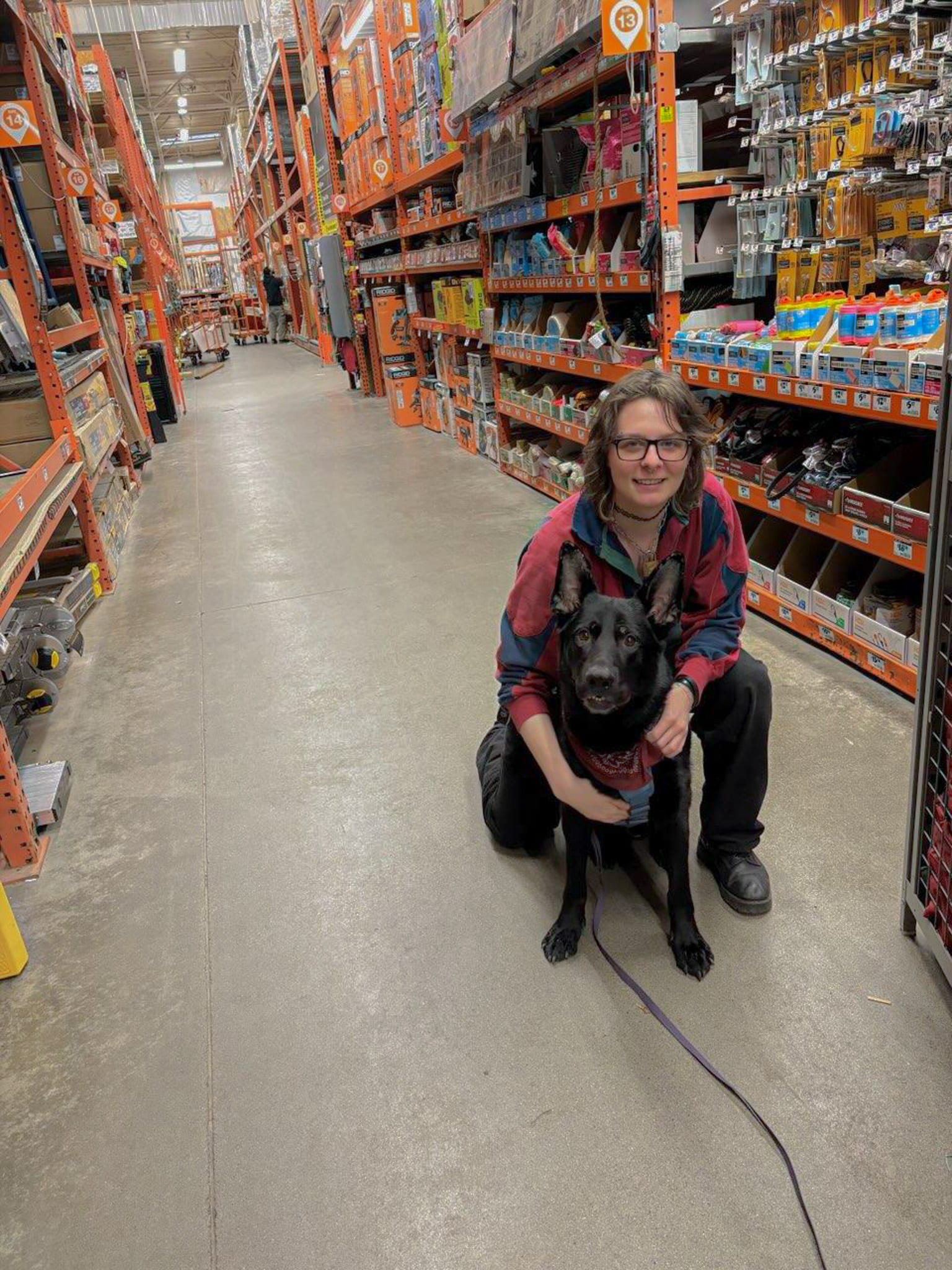
My background is in sport and working-line German Shepherds, dogs that demand clear communication and a genuine partnership to do their best work. Spending my days with them is where I saw just how much good training can change the relationship between a person and their dog.
I started Steady Steps to bring personalized, flexible training to my community, and to build a career that drives me while supporting the people and dogs around me. More than anything, I want to share the joy of living with a well-trained dog and help owners and their dogs understand each other better.
I don't run a single, one-size-fits-all style. I adapt to the dog in front of me, and I put a strong emphasis on continuing education so what I offer keeps getting better. I also work with local rescue dogs, helping them prepare for adoption and their next home.
Whatever you want to do more of with your dog, that's what I'm here for. My personal pack is my daily reminder of why this work matters, and the trainer you talk to is the trainer you work with.
How I train
Built on rewards, clear signals, and consistency.
I work in clear, consistent signals your dog can actually follow: show them the behavior I want, reward it the moment it happens, and shape it into a reliable habit through steady, well-paced repetition. When something isn't working, I change the approach, not the dog.
The goal is a dog who responds because the behavior makes sense to them, not because they're being managed in the moment. That's what makes it hold up in the real world.
What I help with
Everyday goals, real dogs
Day-to-day manners
Loose-leash walking, greetings, and settling at home.
Reactivity
Calmer, more confident responses to triggers.
Puppies & foundations
Early socialization and the skills everything builds on.
Bringing them with you
A dog you can take out into the real world with you.
Training across King & Snohomish County. For sessions that come to you, travel within 25 miles of South Snohomish is included; beyond that, a flat travel fee applies.
Service areas →Ready to start?
Start with a short evaluation form and a free consult, and we'll build the plan together.
Book free consult